Understanding Temperature Fluctuations in Typical Use Environments
Temperature fluctuation refers to repeated or sudden changes between higher and lower ambient temperatures within a given environment. For products such as an LED electronic candle, these changes may occur in residential spaces without constant climate control, outdoor patios, seasonal holiday displays, restaurants with frequent door opening, or storage and transportation stages. Unlike stable laboratory conditions, real-world environments often involve daily and seasonal temperature cycles, which place continuous stress on electronic components, power systems, and enclosure materials.
When considering whether an LED electronic candle can operate stably under such conditions, it is necessary to examine not only the temperature range itself but also the rate of change. Gradual changes allow materials and circuits to adapt, while rapid shifts can cause condensation, mechanical stress, and temporary electrical instability. Understanding these factors helps explain why design choices play a central role in maintaining consistent performance.
Core Operating Principles of an LED Electronic Candle
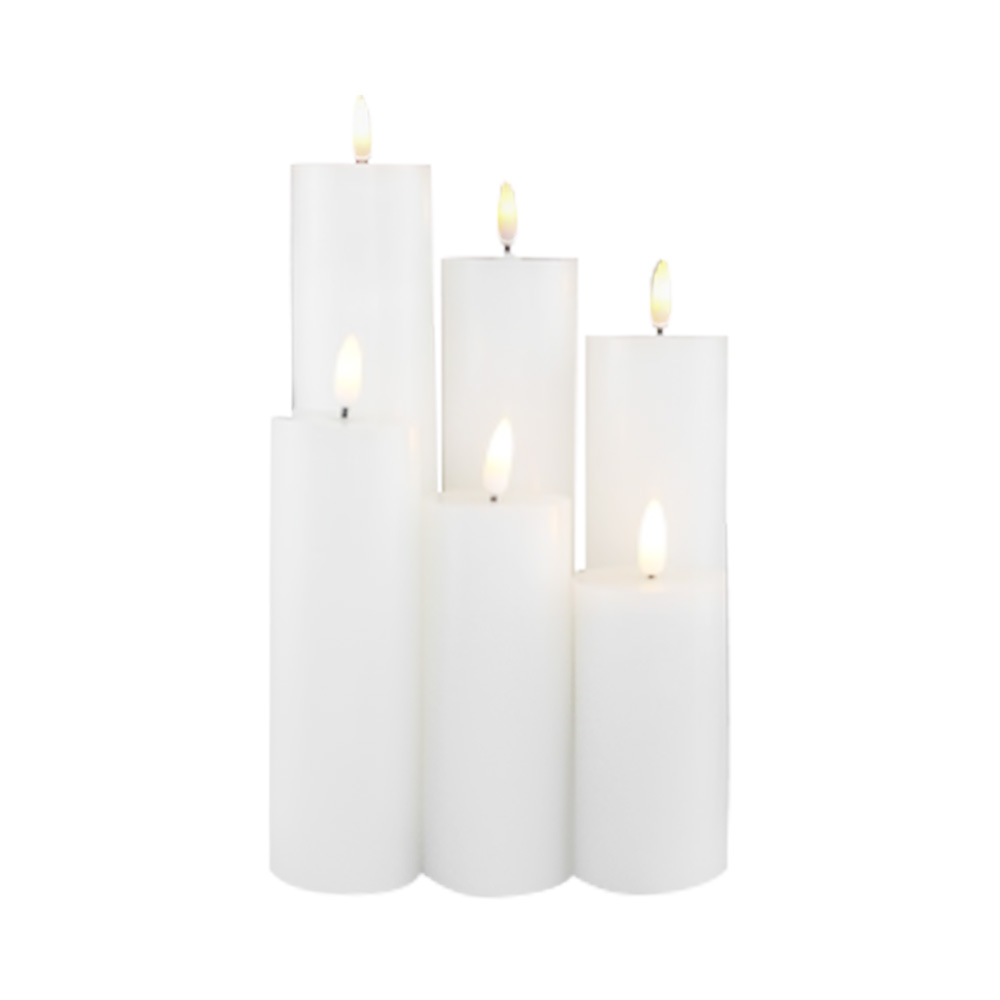
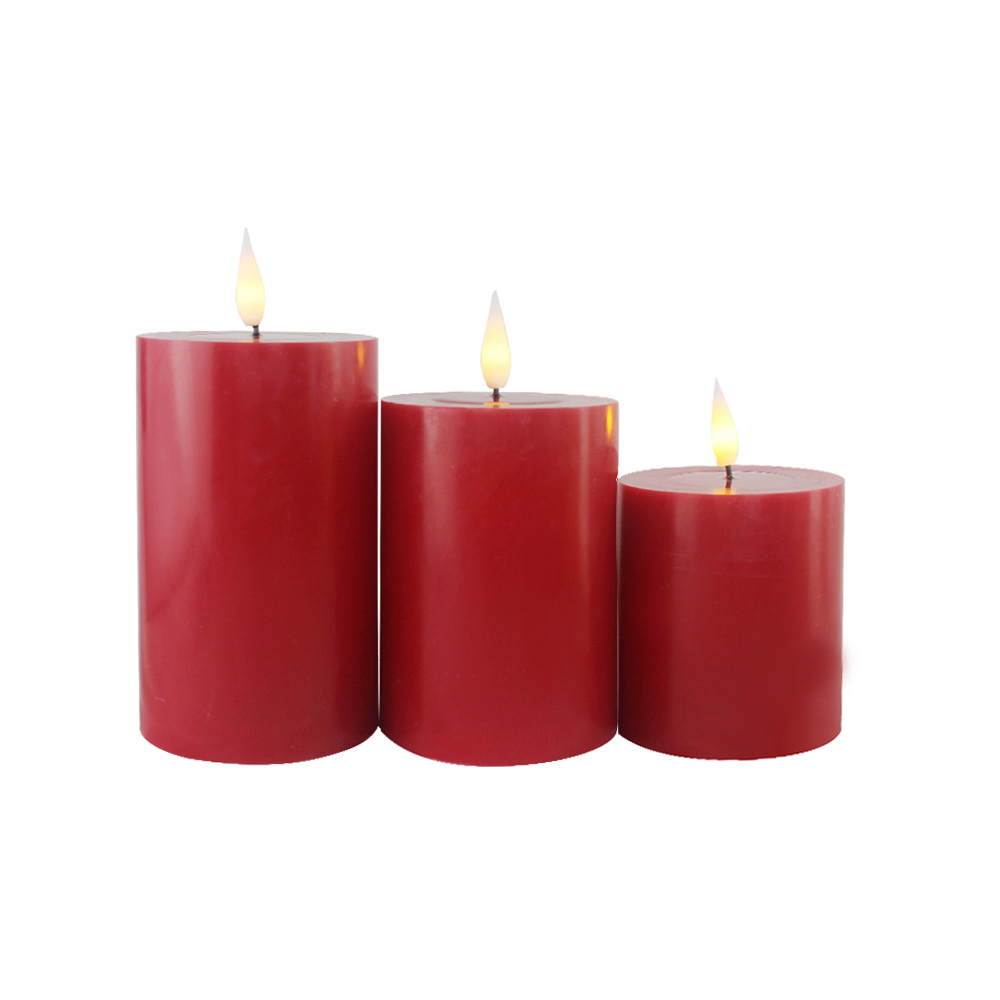
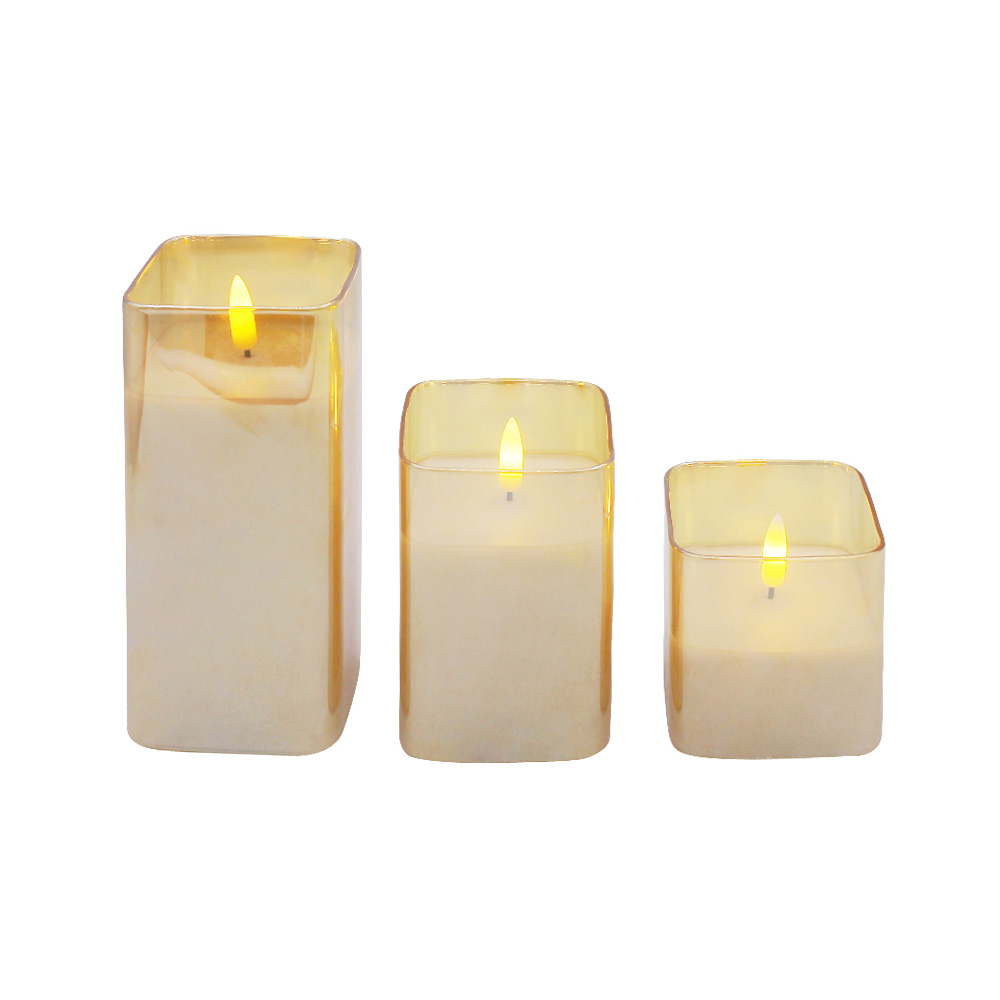
An LED electronic candle typically consists of a light-emitting diode, a control circuit that manages flicker or steady light modes, a power source, and an outer housing designed to resemble wax or another candle-like material. The LED converts electrical energy into light with relatively low heat generation compared to traditional flame-based candles, which already provides an inherent advantage in temperature-sensitive environments.
The control circuit regulates voltage and current to the LED, ensuring that brightness and flicker behavior remain within a defined range. As temperature fluctuates, the electrical characteristics of components such as resistors, capacitors, and semiconductors can shift slightly. Well-designed circuits anticipate these changes and include tolerance margins that allow the LED electronic candle to continue functioning without visible disruption.
Impact of Temperature Changes on LED Light Sources
LEDs are generally more tolerant of temperature variation than incandescent light sources, but they are not entirely unaffected. At lower temperatures, LED efficiency may increase slightly, leading to marginally brighter output. At higher temperatures, efficiency can decrease, and prolonged exposure may shorten component lifespan if heat is not adequately dissipated.
In an LED electronic candle, heat dissipation is usually managed through low power operation rather than active cooling. Because the LED operates at a modest current level, internal temperature rise remains limited even when ambient temperatures increase. This design approach allows the candle to maintain stable light output across a broad range of conditions commonly encountered indoors and in sheltered outdoor settings.
Battery Performance Under Temperature Fluctuations
The power source is one of the most temperature-sensitive elements in an LED electronic candle. Alkaline batteries, lithium coin cells, and rechargeable batteries all respond differently to temperature changes. In cold environments, chemical reactions inside the battery slow down, which can reduce available capacity and temporarily lower voltage. In warmer environments, battery output may appear more stable, but long-term exposure can accelerate aging.
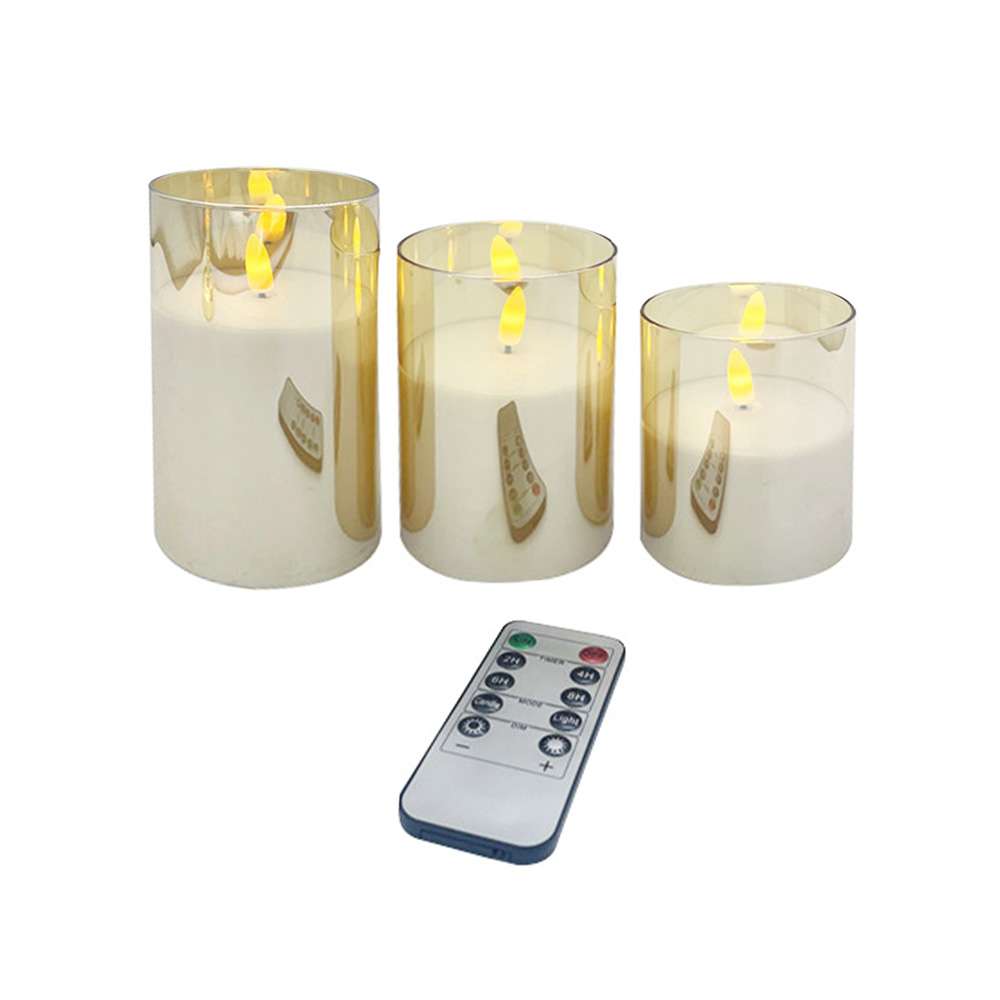
A rechargeable LED candle often uses lithium-ion or lithium-polymer batteries, which are designed to operate within a defined temperature window. Modern battery management circuits help protect against overcharging, over-discharging, and temperature-related stress. These protections contribute to stable operation even when ambient temperatures vary throughout the day.
Role of Housing Materials in Thermal Stability
The outer shell of an LED electronic candle is more than a visual element; it also influences how the internal components respond to temperature changes. Materials such as ABS plastic, polypropylene, or specially formulated synthetic wax are commonly used. Each material has its own thermal expansion characteristics and insulation properties.
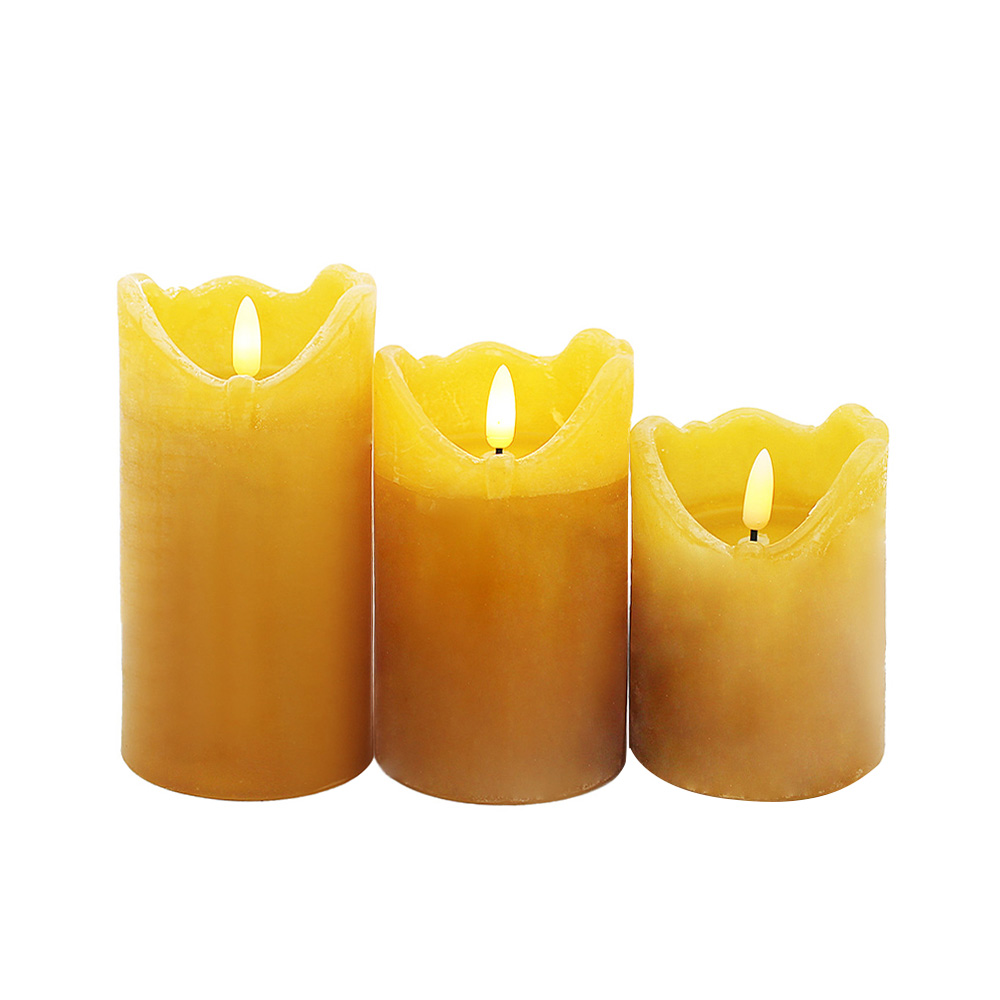
If the housing expands or contracts excessively with temperature changes, it can place mechanical stress on internal connections. To address this, LED pillar candle manufacturers often select materials with moderate thermal expansion rates and sufficient flexibility. This balance helps maintain structural integrity and protects internal wiring and circuit boards during repeated temperature cycles.
Moisture and Condensation Considerations
Temperature fluctuations can lead to condensation when warm, moist air comes into contact with cooler surfaces. For electronic products, moisture poses a risk of corrosion or short circuits. While most LED electronic candles are intended for dry environments, some designs incorporate basic sealing features that reduce moisture ingress.
In applications where candles may be used near windows, entryways, or semi-outdoor areas, internal layouts are often arranged to minimize direct exposure of sensitive components. Coatings on circuit boards and corrosion-resistant contacts further support stable operation when temperature changes are accompanied by humidity variation.
Design Approaches Used by LED Pillar Candle Manufacturers
LED pillar candle manufacturers typically address temperature fluctuation challenges at the design stage rather than relying on user intervention. This includes selecting electronic components rated for wider temperature ranges and using conservative operating limits to reduce stress. By avoiding operation near maximum ratings, the candle can tolerate environmental variation with less risk of malfunction.
Manufacturers may also conduct environmental testing, exposing products to cycles of heat and cold to observe performance consistency. These tests inform material choices, circuit layout adjustments, and battery selection, resulting in products that behave predictably under everyday temperature changes.
Performance Differences Between Disposable and Rechargeable Models
Disposable battery-powered LED electronic candles and rechargeable LED candle models may show different responses to temperature fluctuation. Disposable batteries are simple and widely available, but their voltage output can drop more noticeably in cold conditions. This may lead to dimmer light or shorter runtime during colder periods.
A rechargeable LED candle, on the other hand, benefits from integrated charging and regulation circuits that smooth out voltage variations. These systems can compensate for minor temperature-related changes, helping maintain consistent brightness and operating modes. However, users should still avoid charging rechargeable models in environments that fall outside recommended temperature ranges.
Typical Temperature Ranges and Expected Behavior
Most LED electronic candles are designed for environments commonly found in homes, hospitality venues, and event spaces. Within these ranges, performance remains steady, and any variation in brightness or runtime is usually subtle. The table below illustrates general temperature ranges and expected behavior, noting that actual performance depends on specific design choices.
| Ambient Temperature Range |
Expected LED Behavior |
Battery Performance Trend |
| Low indoor temperatures |
Stable light output with slight efficiency increase |
Reduced capacity and shorter runtime |
| Moderate room temperatures |
Consistent brightness and flicker pattern |
Normal capacity and runtime |
| Elevated indoor or sheltered outdoor temperatures |
Slightly lower efficiency but stable operation |
Normal output with gradual aging over time |
Long-Term Reliability Under Repeated Temperature Cycles
Repeated exposure to temperature fluctuations over months or years can gradually influence the lifespan of an LED electronic candle. Solder joints, battery contacts, and plastic components experience expansion and contraction with each cycle. When these changes are within design limits, wear progresses slowly and does not immediately affect functionality.
Long-term reliability is therefore closely tied to manufacturing quality and material selection. Products designed with stable tolerances and conservative electrical loads tend to maintain predictable behavior even after many seasonal changes.
User Practices That Support Stable Operation
While design plays a primary role, user behavior can also influence stability. Allowing an LED electronic candle to acclimate to room temperature before operation, especially after storage in a colder or warmer space, helps reduce condensation risk. For rechargeable LED candle models, charging in moderate temperature conditions supports battery health.
Placing candles away from direct heat sources or prolonged exposure to cold drafts further reduces stress on internal components. These practices align with the assumptions made by LED pillar candle manufacturers during product development.
Comparing LED Electronic Candles to Traditional Alternatives
Compared with traditional wax candles or incandescent-based decorative lights, the LED electronic candle offers a more controlled response to temperature changes. Traditional candles are directly affected by ambient conditions, with flame behavior influenced by air density and temperature. Incandescent bulbs generate significant heat, making them more sensitive to high ambient temperatures.
The low heat output and regulated electronics of an LED electronic candle allow it to maintain consistent appearance and functionality across a wider range of everyday environments, making temperature fluctuation a manageable factor rather than a limiting one.
Future Developments Related to Temperature Adaptability
Ongoing development in battery chemistry, circuit integration, and materials science continues to improve how LED electronic candles handle environmental variation. Advances in rechargeable LED candle technology focus on broader operating temperature ranges and improved cycle life, which further supports stable performance.
As LED pillar candle manufacturers adopt these developments, future products are expected to show even greater tolerance to temperature fluctuation without requiring changes in user habits or installation environments.



 English
 Deutsch


 +86-18067520996
 +86-574-86561907
 +86-574-86561907
 [email protected]

 Wholesale Outdoor Flameless LED Candles Manufacturers
