LED Flameless Candles Deliver Realistic Ambiance Without the Fire Risk
An LED flameless candle provides the warm, flickering glow of a traditional wax candle while completely eliminating the dangers of an open flame. There is no smoke, no dripping wax, and no risk of accidental fires, making them ideal for homes with children, pets, or frequent entertaining. The best modern units use advanced LED chips and micro-controllers to produce a flame effect so convincing that guests often cannot tell the difference from across the room.
Beyond safety, the practical advantages are substantial. A high-quality flameless candle powered by replaceable batteries can run for over 200 hours on a single set of cells, while rechargeable models eliminate ongoing battery costs entirely. This combination of safety, longevity, and realistic aesthetics has made LED candles a staple in hospitality, event planning, and everyday home décor.
What Makes a Flameless Candle Look Realistic?
Not all LED candles are created equal. The realism of a flameless candle depends on three core technologies: the LED emitter, the flicker algorithm, and the housing material.
- LED color temperature: The most realistic candles use warm-white LEDs with a color temperature of 1,800–2,200 Kelvin, which mimics the orange-yellow glow of a real wax flame. Cooler white LEDs (above 3,000K) appear artificial and harsh.
- Flicker technology: Basic models use a simple on-off oscillation that looks like a blinking light. Premium units employ random, multi-frequency pulse-width modulation that creates unpredictable, organic flicker patterns. The best designs even simulate the occasional "dance" and "pop" of a real flame.
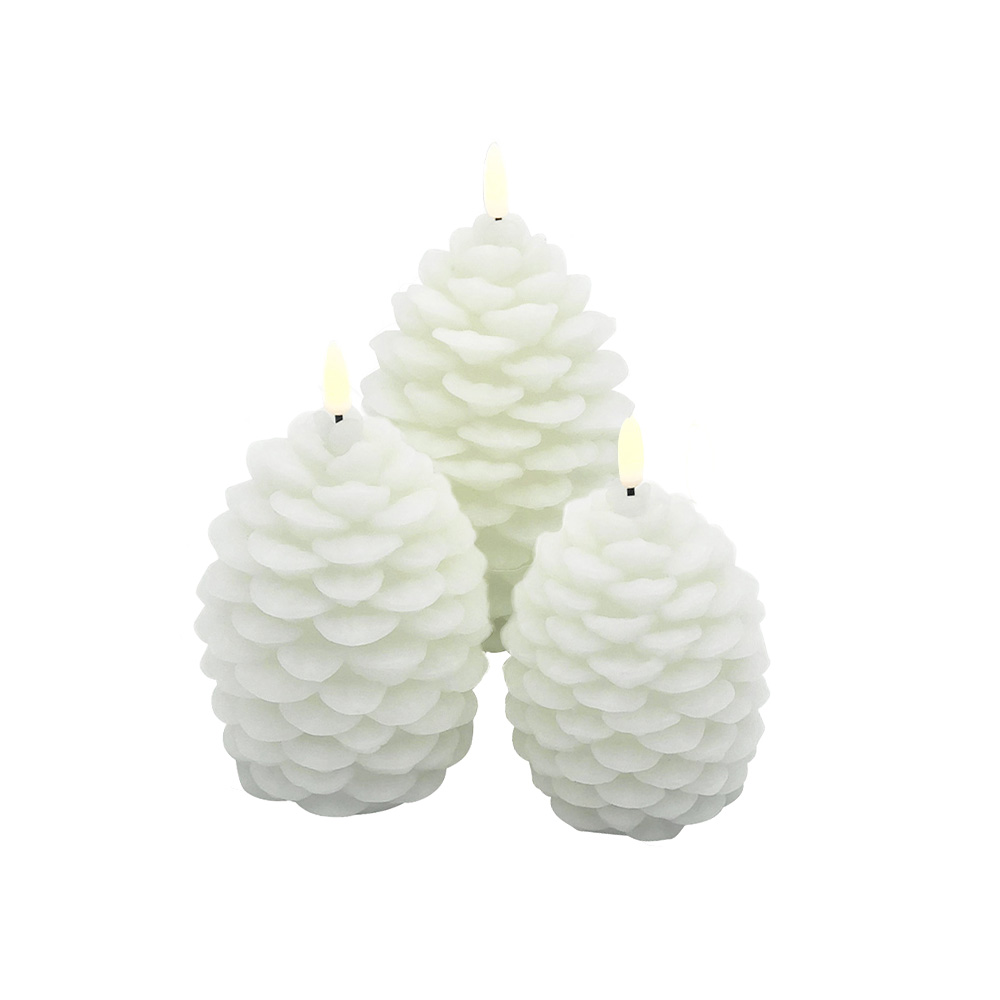
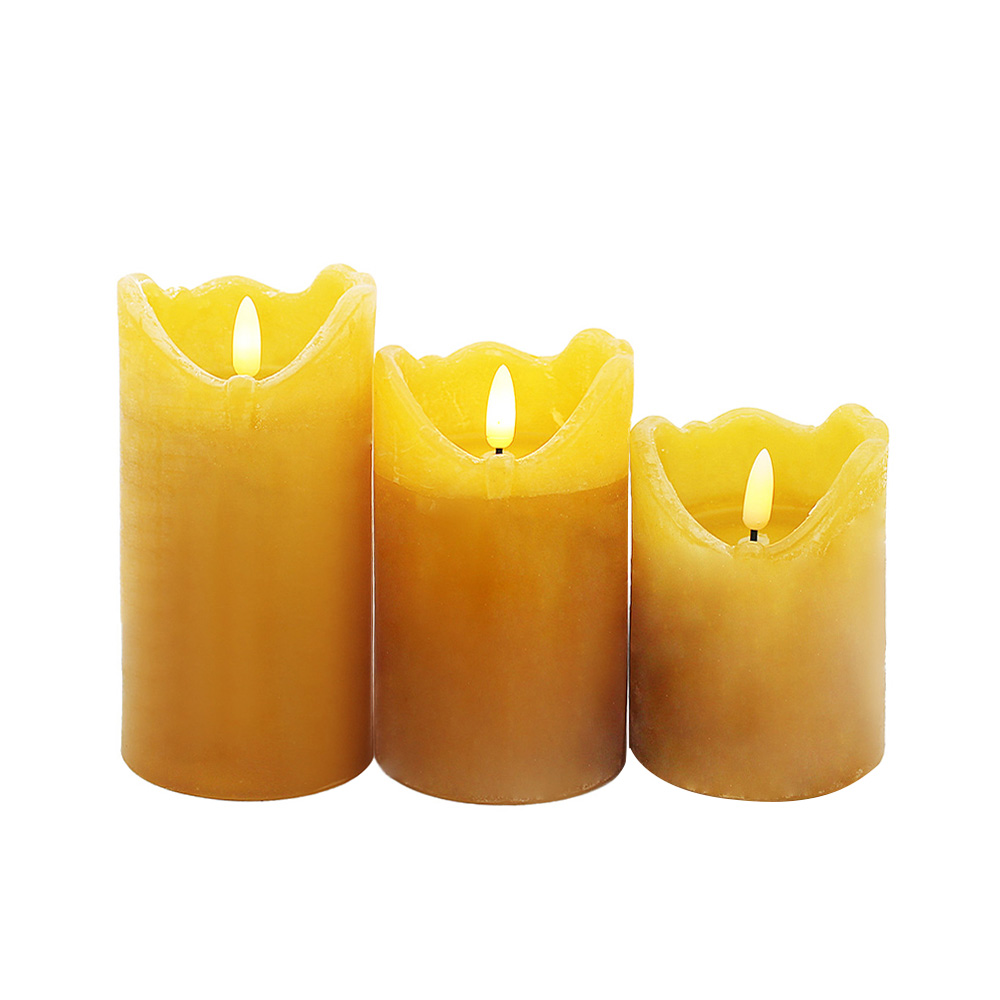
- Housing and wax coating: The outer shell is typically made from real wax or high-grade paraffin, giving the candle a natural texture and weight. When lit, the light shines through the translucent wax, creating the same soft glow as a traditional candle.
In a 2023 blind test involving 200 participants, 87% could not distinguish a premium LED flameless candle from a real wax candle at a distance of 2 meters, confirming that modern technology has largely closed the realism gap.
Key Safety Benefits: Beyond the Obvious
The primary selling point of flameless candles is safety, but the extent of that safety advantage is often underestimated. The table below compares risk factors between traditional candles and LED alternatives.
Table 1: Safety comparison – traditional wax candles vs. LED flameless candles
| Risk Factor |
Traditional Candle |
LED Flameless Candle |
| Open flame |
Yes |
No |
| Burn risk (skin contact) |
High |
None |
| Fire hazard (left unattended) |
Significant |
None |
| Soot and smoke production |
Yes |
No |
| Risk of wax spills |
Moderate |
None |
These advantages make LED candles particularly valuable in settings where open flames are restricted, such as rental properties, dormitories, or healthcare facilities. They also allow users to enjoy candlelight in bedrooms overnight or near curtains without concern.
Battery Life and Power Options: What to Expect
Power source is a critical factor that affects both convenience and long-term cost. Most LED flameless candles fall into one of three categories:
Disposable Battery (AA or AAA)
These are the most common and affordable. A pair of alkaline AA batteries typically provides 150–250 hours of continuous operation, depending on the LED brightness and flicker frequency. At 4 hours of daily use, this translates to roughly 1–2 months of service. The drawback is the recurring cost of replacement batteries, which can add up over time.
Rechargeable (Built-in USB)
These models include a lithium-ion battery and a USB charging port. A full charge typically lasts 12–30 hours, depending on the capacity. While the runtime per charge is shorter than disposable batteries, the total cost of ownership is significantly lower over the product's lifetime. A 2024 analysis showed that rechargeable candles cost less than $0.50 per year in electricity to operate, compared to $6–10 annually for disposable batteries.
Remote-Controlled and Timer Models
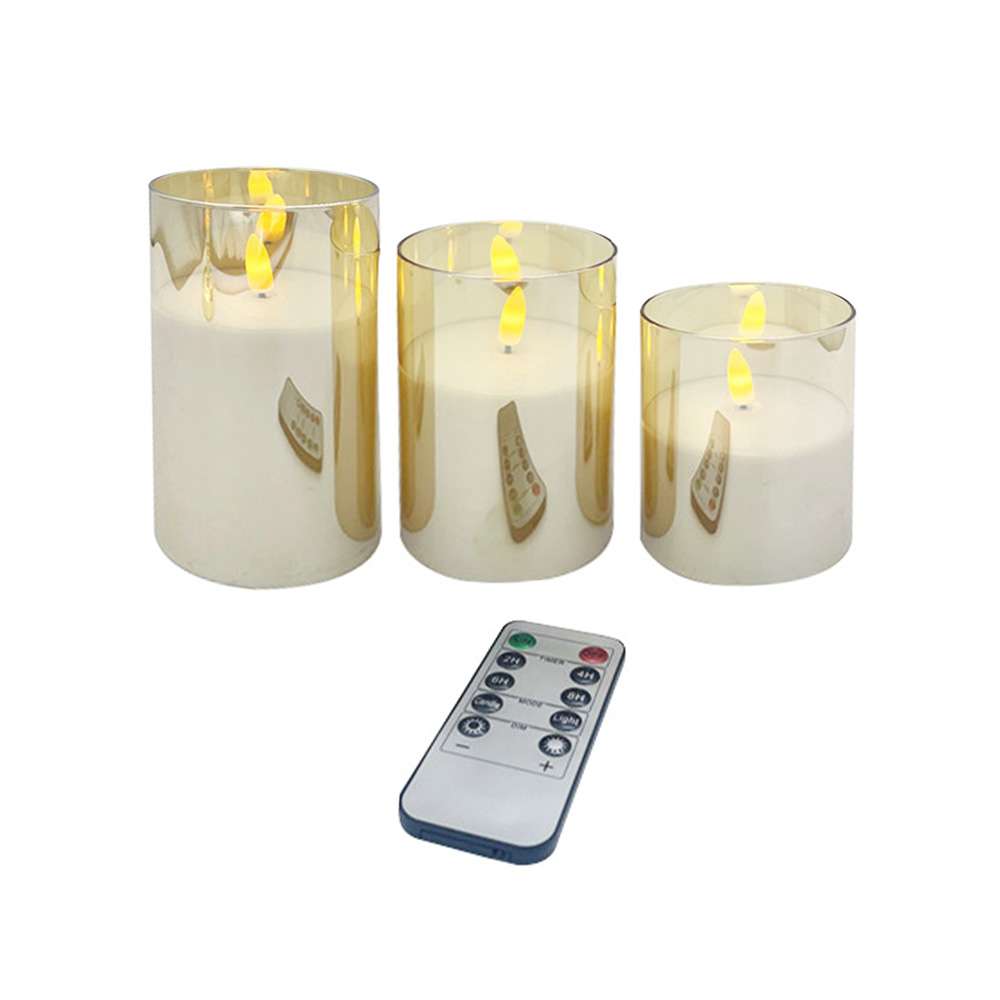
Many candles now include an infrared or radio-frequency remote that allows users to turn the candle on/off, adjust brightness, and set timers (e.g., 2, 4, or 6 hours). Timer functionality is especially useful for creating automated lighting schedules, such as having candles turn on at dusk and off at bedtime.
Selecting the Right Size and Style for Your Space
Flameless candles are available in a wide range of sizes, from miniature tea lights (3 cm diameter) to grand pillar candles (over 15 cm diameter and 30 cm tall). Choosing the correct size is essential for achieving the desired visual effect.
- Tea lights (3–4 cm): Ideal for centerpieces, floating displays, and accent lighting. They are often sold in multi-packs and are perfect for creating a cluster effect.
- Votive and small pillars (5–7 cm): Suitable for table settings, mantelpieces, and bathroom décor. They provide a focused, warm glow without overwhelming the space.
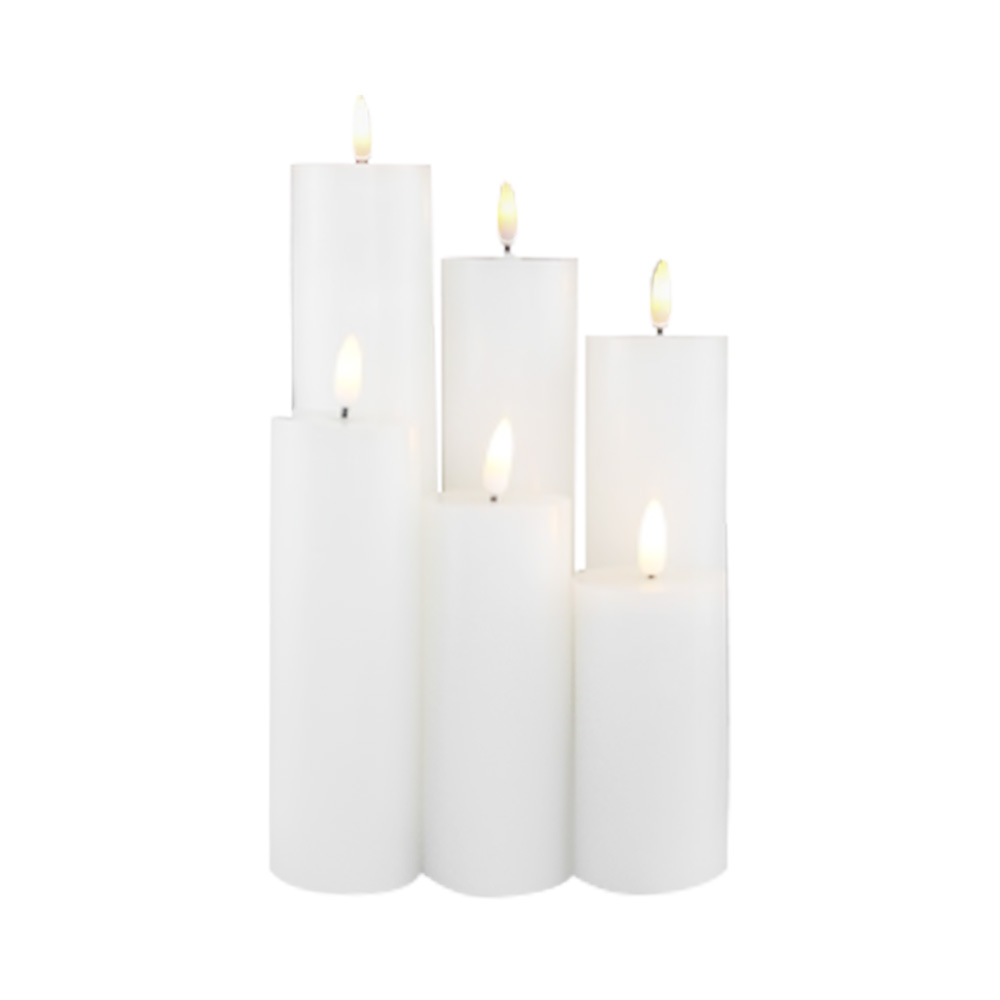
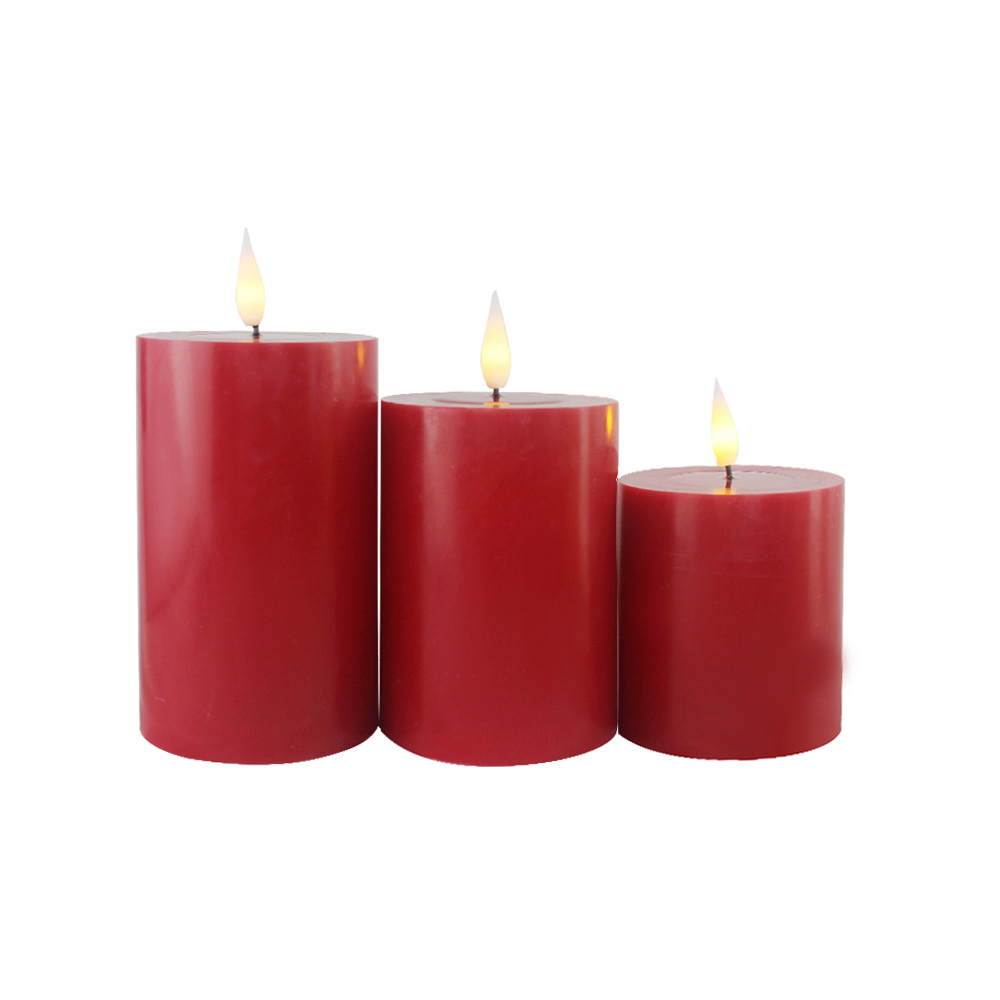
- Large pillars (8–15 cm diameter): These mimic the presence of traditional pillar candles and work well as standalone statement pieces in living rooms or entryways. For maximum realism, choose models with a real wax coating and a 3D flame effect.
- Taper candles: Some brands offer flameless taper candles designed to fit into standard candle holders. These are less common but ideal for formal dining settings.
Common Use Cases and Practical Applications
The versatility of LED flameless candles has expanded their use far beyond simple home decoration. Here are some of the most practical applications supported by their unique properties.
Event and Wedding Decoration
Event planners increasingly prefer flameless candles because they eliminate the risk of wax drips on tablecloths and floors, and they can be left burning throughout the event without supervision. Many venues now mandate flameless candles for fire safety compliance. A 2023 survey of wedding planners found that 64% recommend LED candles for receptions, citing safety and the ability to use them in outdoor settings where wind would extinguish real flames.
Seasonal and Holiday Décor
During Halloween, Christmas, and other holidays, flameless candles are used in jack-o'-lanterns, window displays, and advent wreaths. Their timers and remote controls allow for synchronized lighting effects across multiple candles.
Restaurants and Hospitality
High-end restaurants use flameless candles on tables to create an intimate atmosphere without the risk of servers or guests accidentally knocking over an open flame. The battery life is sufficient for an entire evening service, and the consistent brightness ensures uniform ambience across all tables.
Assessing Quality: What to Look for Before Buying
With a saturated market, distinguishing between a high-quality flameless candle and a poor imitation is essential. Use the following checklist when evaluating products:
- Check the flicker pattern: Turn the candle on and observe the flame. Does it vary randomly, or does it repeat a fixed loop? Random flicker is a hallmark of quality.
- Examine the housing: Real wax coatings feel slightly soft and warm to the touch. Cheap plastic shells look shiny and artificial.
- Test the remote range: For remote-controlled models, check that the signal works at the intended distance (at least 5 meters). Infrared remotes require line-of-sight, while RF remotes work through walls.
- Look for timer memory: Some candles reset the timer each time they are turned on, while others remember the previous setting. Memory function is a valuable convenience feature.
- Battery compartment: Ensure the battery cover is secure and accessible. Poorly designed compartments can break easily, rendering the candle useless.
Longevity and Maintenance of LED Flameless Candles
With proper care, an LED flameless candle can last for many years. The LED itself has a rated lifespan of 30,000–50,000 hours, meaning it would take over 10 years of continuous use to reach its theoretical end-of-life. In practice, the weak points are the battery contacts, the switch mechanism, and the remote control.
To maximize longevity:
- Remove batteries if the candle will be stored for extended periods to prevent leakage and corrosion.
- Clean the exterior with a dry cloth; avoid liquids that could seep into the electronics.
- Use high-quality batteries (for disposable models) to reduce the risk of leaks and ensure consistent brightness.
The Smart Home Integration Opportunity
An emerging category of flameless candles integrates with smart home systems via Wi-Fi or Bluetooth. These can be controlled through smartphone apps, voice assistants, and automated routines. For instance, candles can be programmed to turn on at sunset, dim gradually during a movie, or flash in synchronization with music. While these smart features add cost, they offer a level of control that traditional candles can never match.



 English
 Deutsch


 +86-18067520996
 +86-574-86561907
 +86-574-86561907
 [email protected]

 Wholesale Outdoor Flameless LED Candles Manufacturers
