


 English
 Deutsch
LED Flameless Candles Manufacturers: How to Vet a Factory Before You Order
A sample candle lands on your desk in the third week of July. The buyer wants 6,000 pieces before the first week of November, the quote looks reasonable, and the photos are convincing. Two weeks later you discover the flame is a single LED behind a plastic lens, the mould belongs to the factory rather than to you, and the test report on file names a different model number. That is the moment a "manufacturer" turns into a supply risk.
The short answer: judge LED flameless candle manufacturers on three things before you judge price — the flame module they build around, who owns the tooling used for your body, and the documentation package tied to your exact SKU. Once those answers are in writing, the rest of the sourcing conversation becomes arithmetic.
What "manufacturer" should mean in this category
In decorative lighting the word gets stretched. A supplier that buys finished candles, prints a logo on the box and ships from a warehouse is a trader. A supplier that casts or injects the body, assembles the flame module, runs an ageing rack and packs the carton is a factory. Both can quote. Only one can fix a flicker problem in week 40.
Practical checks that take an afternoon:
- Ask which processes happen on site: wax pouring, cement casting, injection moulding, electronics assembly, ageing, carton drop.
- Ask for video of the ageing rack. Candles running 24 to 72 hours before packing is the strongest single signal of a real production line rather than a repack operation.
- Ask who signs the pre-shipment inspection report and whether a copy travels with the shipment.
Ningbo Weizhi Electronics is a useful reference point for what a factory profile looks like: operating since 2013, a dedicated export department added in 2019, and a site close to Ningbo port. That last detail matters more than it sounds, because flameless candles are bulky and light — freight is charged on volume, not weight, so the inland leg is pure cost.
The flame module decides realism and return rates
Two candles can look identical in a product photo and feel completely different in a darkened room. The variable is the module: a fixed LED with a flicker chip, a swinging flame element on a pivot, or a 3D wick that pairs a warm LED with a shaped lens and a moving shadow.
What to specify in the enquiry:
- Colour temperature. Buyers in Germany and the UK routinely reject anything above roughly 2200K. A "warm white" 3000K module reads as electric once it is on a dining table.
- Flicker randomness. A fixed 3 Hz pulse looks mechanical within a minute. Pseudo-random timing across a 4 to 12 Hz band is what most people read as fire.
- Brightness under load. Ask for a discharge curve, not a runtime claim. Plenty of modules lose 30 to 40 percent of output before the cells are spent, which shows up as a dull candle in a restaurant in week six.
- Timer and remote logic. The 6-hours-on, 18-hours-off cycle is the common split. Confirm whether the remote is IR (line of sight, one candle at a time) or RF (group control with channel separation).
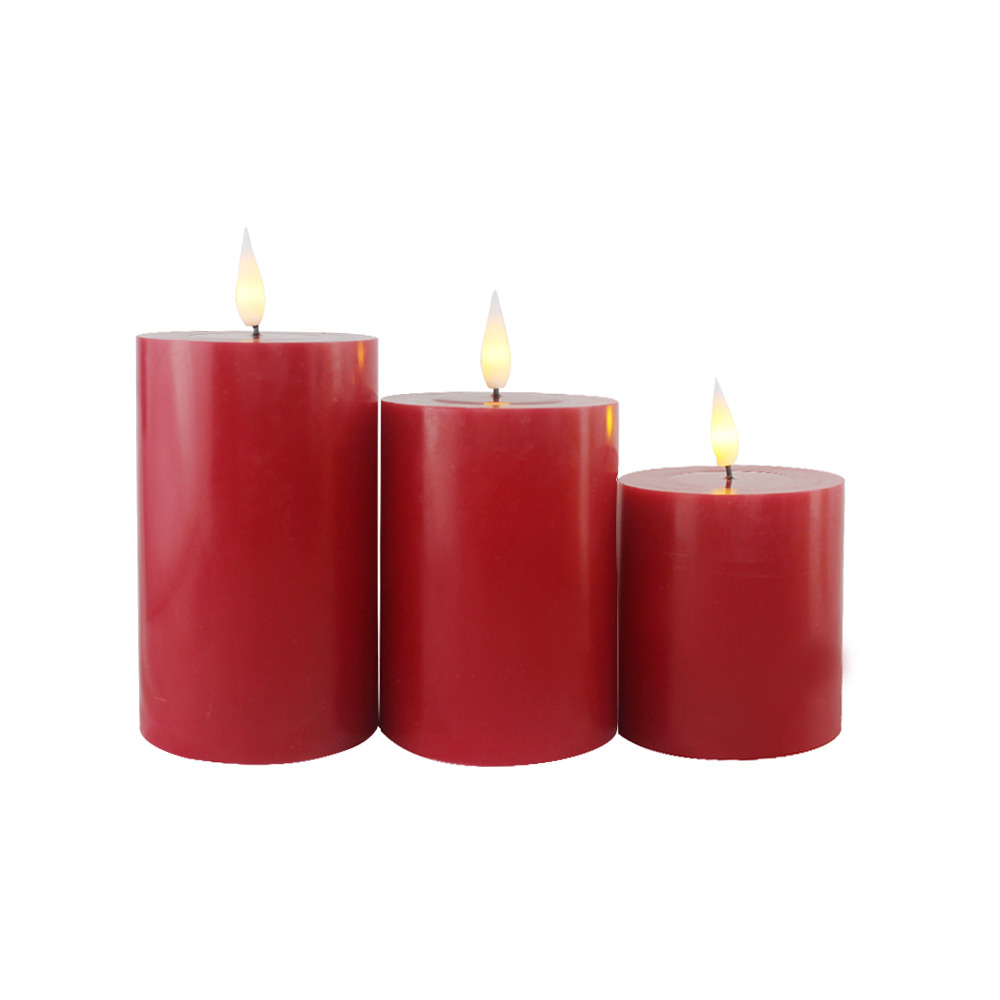
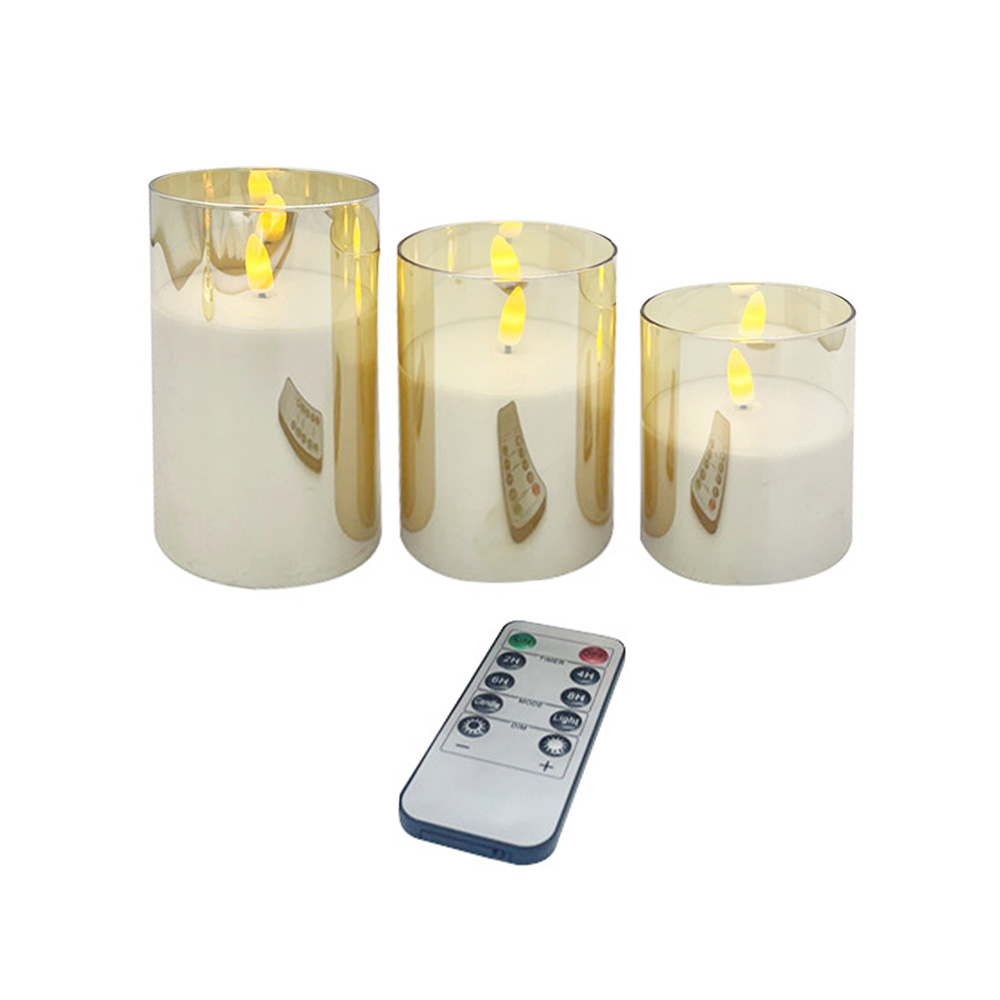
 Remote-Control 3D LED Flameless Candle SeriesBattery-powered 3D LED candle with remote, timer and multiple sizes, useful for specifying module and gold-sample options before ordering.View Product →
The cheapest way to settle the argument is to order two gold samples built on different modules and put them side by side in a dark room. Ten minutes tells you more than any datasheet.
Tooling, moulds and who owns the drawing
This is where first orders quietly go wrong. A tooling fee of a few hundred to a couple of thousand dollars for a new body is normal; what matters is the paperwork around it.
- Get the mould number and cavity count written into the quotation.
- State that moulds you pay for remain your property and can be transferred, even if the transfer never happens.
- Ask what a dimension change costs. A new lens for the flame is inexpensive; a new body is a new tooling cycle.
Material choice reshapes the supply chain
The body material drives weight, freight, breakage rate and where the product can be used. It also determines how forgiving a factory can be on order size.
| Body material | Look and feel | Outdoor use | Tooling and order size | Main risk |
|---|---|---|---|---|
| Injection plastic with wax dip | Convincing at arm's length; wax shell can craze | Sheltered only | Low tooling, small runs viable | Wax layer scuffs in transit |
| Solid plastic or resin | Uniform and colour-fast | Yes, with a sealed battery door | Low tooling | Reads as plastic under bright light |
| Cast cement | Heavy, stone texture, industrial | Yes, if the door is gasketed | Highest tooling, larger runs | Freight weight and hairline cracks |
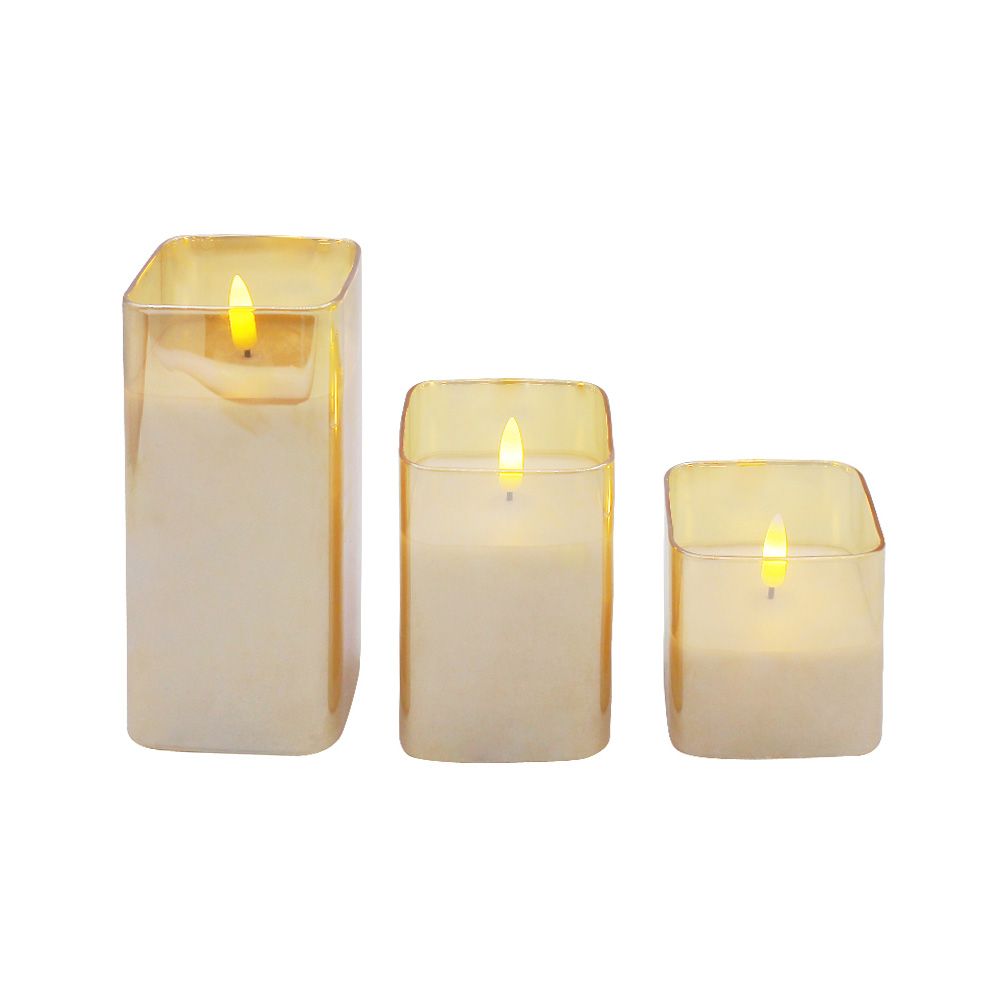
| Glass jar with wax fill | Premium and heavy | Indoor only | Medium tooling | Breakage; needs a proper foam fitment |
Cement deserves a note of its own. It has become the differentiator in this category because the surface carries texture — marble veining, stone grain, hand-carved ridges — that moulded wax cannot imitate. But it also means heavier cartons, a battery door that has to survive both a gasket seal and repeated opening, and a casting process where moisture content decides whether shells crack three weeks after arrival.
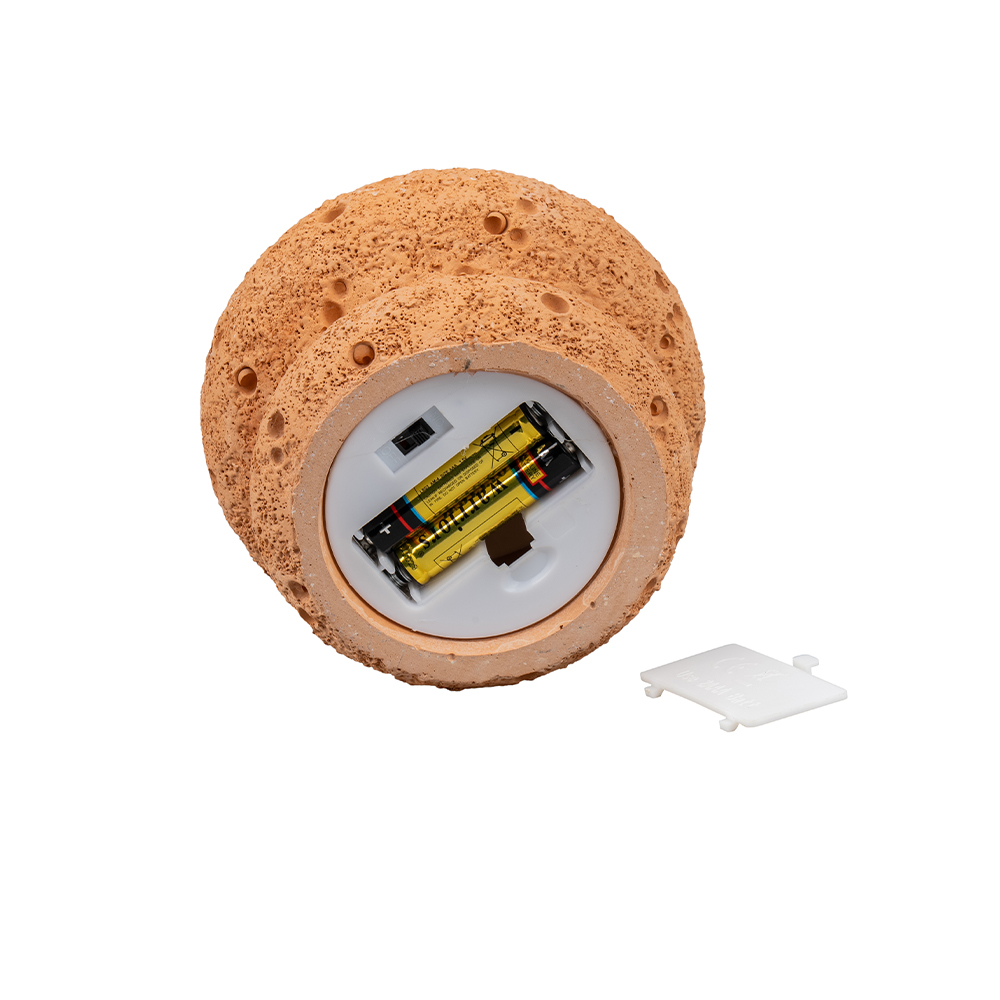 Waterproof Cement 3D LED Outdoor CandleWaterproof battery-operated cement-texture LED pillar with flickering wick and timer, suited to outdoor use and compliance checks.View Product →
Documentation is part of the product
CE marking a flameless candle is not one test, it is a file. Expect EMC evidence to EN 55015 and EN 61547 for lighting equipment, RoHS coverage for the ten restricted substances, and — depending on the destination — UKCA, FCC, REACH and, for rubberised finishes, PAH screening. Lithium cells add UN38.3 summaries; alkaline cells shipped installed need the correct dangerous goods paperwork.
The check that catches most problems is boring but decisive: the report must carry your model number, or a model family that provably includes it, from a laboratory with recognised accreditation. A CE declaration signed by the factory is not a test report, and a report issued for the 3-inch pillar does not cover the 6-inch version with a different module inside. Our own certificate documentation is published for exactly that reason — a buyer should be able to match a file to a SKU without a week of email.
Cartons, drop tests and the twelve weeks after shipping
Most damage to flameless candles happens before the end customer opens the box. Request ISTA 1A evidence for parcel shipments, or 3A where pallets are involved, plus a carton burst test and a 24-hour humidity soak at around 90 percent relative humidity. Containers moving from Ningbo to Hamburg sweat, and cardboard that passes a dry test can fail a wet one.
- Carton weight. Keep cement candles below roughly 15 kg per carton; handlers drop anything heavier.
- Battery door. Screw-fixed closures survive drops. Snap-fit ones open.
- Foam fitment. A candle that floats inside its carton is a broken lens waiting to happen.
- Batteries. Shipped installed or bagged separately? That answer changes both the paperwork and the unboxing experience.
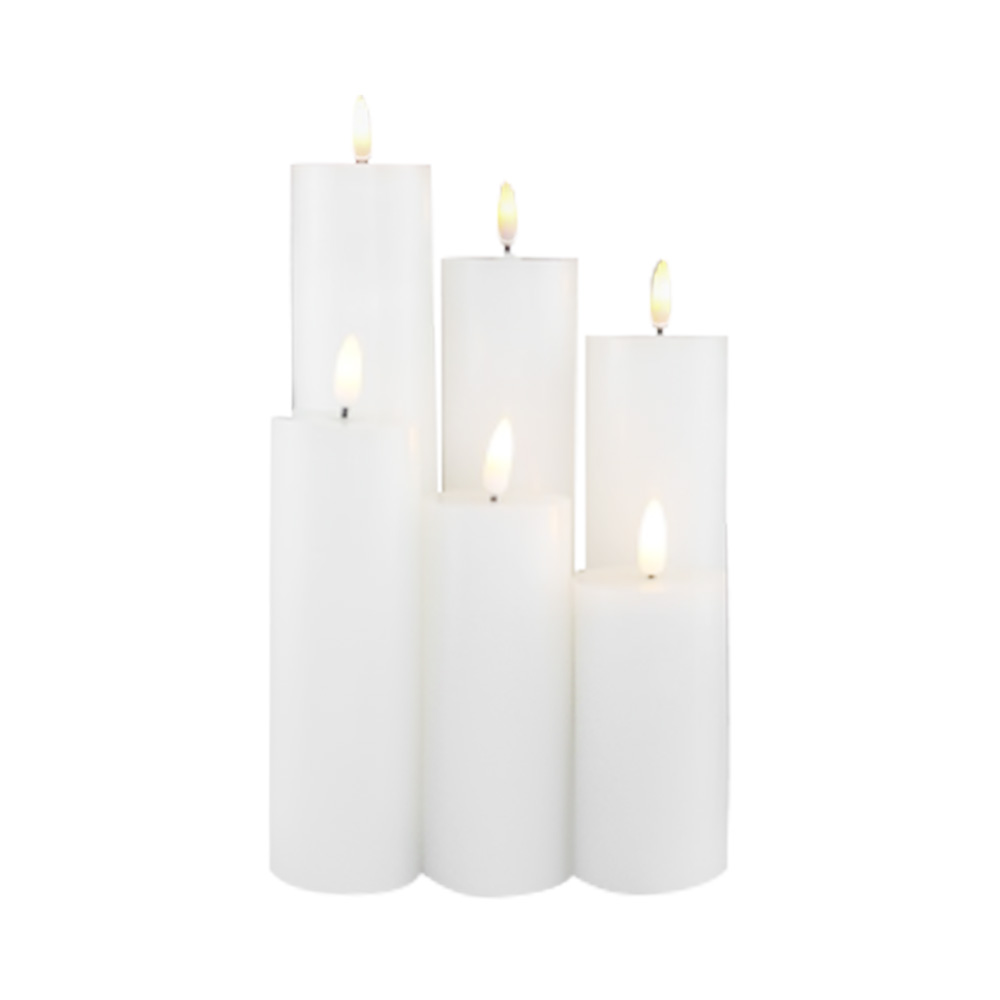
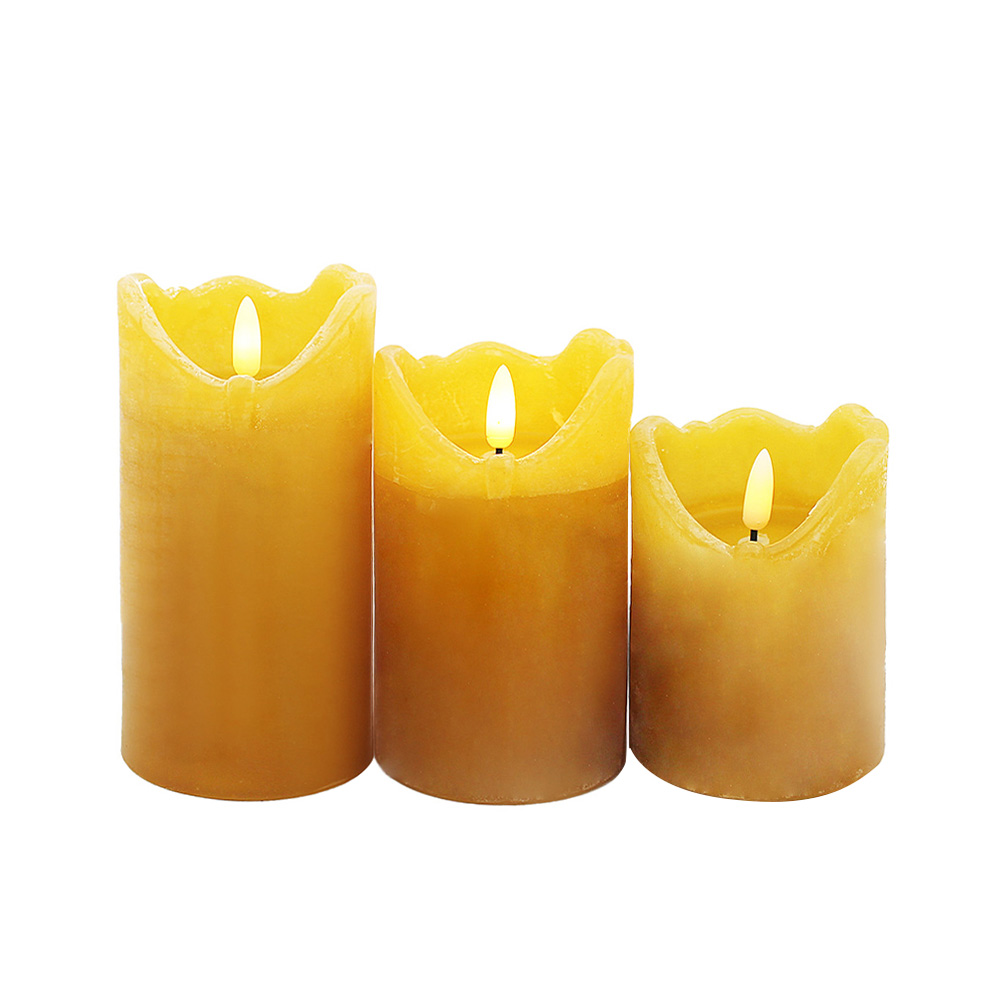
 Flameless LED Cylindrical Candle RangeBattery-powered plastic-and-wax LED candle in multiple sizes with timer and remote options, relevant when reviewing packaging and sourcing terms.View Product →
A two-week vetting sequence
- Days 1–2: send a spec sheet covering dimensions, colour temperature, battery type, timer logic and packaging style, plus a reference sample if you have one.
- Days 3–4: request the BOM for the proposed SKU and a datasheet for the flame module.
- Days 5–7: order two gold samples built on the intended module, not a stock unit pulled from the shelf.
- Days 8–9: ask for the test file by model number and the carton drop video.
- Days 10–12: request price breaks at three volumes and the tooling ownership clause in writing.
- Days 13–14: ask for two past programmes in a similar material and how long each has been running.
If you want the commercial terms covered in more depth, this guide to sourcing LED flameless candles walks through volumes, payment structures and inspection points.
The cheapest quote is rarely the lowest landed cost. A candle that arrives with a cracked cement shell, a module that dims before the season ends, or a report that does not name your model will cost more in returns and re-shipment than the two cents you saved per piece. Ask the three questions early — which module, whose mould, which file — and the comparison between suppliers stops being a price list and starts being a judgement about who can actually deliver in week 44.



Ningbo Weizhi Electronics Co., Ltd.
- We will be pleased to provide products with high quality, reasonable price, punctual delivery and best service for you!
GET A QUOTE
Building 2, No. 2477, Cihai North Road, Xipu Town, Zhenhai District, Ningbo City, China
-
 +86-18067520996
-
 +86-574-86561907
-
 +86-574-86561907
-
 [email protected]
- +8618067520996
- +86 18074202116
- WhatsApp: +86 18067161072

Copyright 2024 Ningbo Weizhi Electronics Co., Ltd. All Rights Reserved.
 Wholesale Outdoor Flameless LED Candles Manufacturers
